

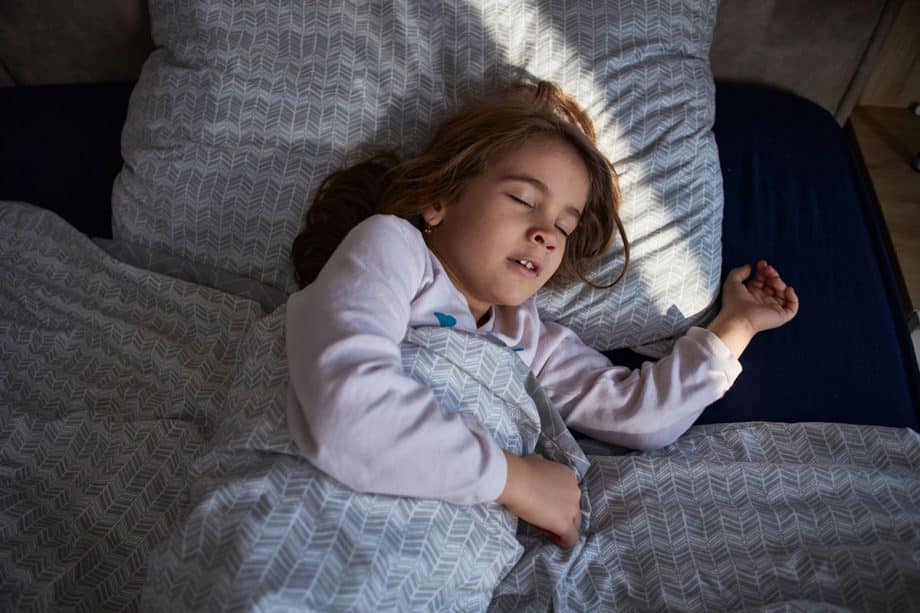
Why Kids Snore — and When Parents Should Worry
Snoring is often thought of as something only adults struggle with, but many children snore too — and it’s not normal.
While an occasional snore during allergies or a cold is common, frequent snoring can be a sign of airway issues, mouth breathing, or sleep-disordered breathing.
At Castle Hills 3D Orthodontics, we see many children whose snoring is connected to narrow arches, poor jaw development, enlarged tonsils or adenoids, or improper tongue posture. Early diagnosis can prevent long-term problems with sleep, behavior, growth, and facial development.
Here’s what every parent needs to know.
⸻
⭐ Why Do Kids Snore?
1. Mouth Breathing
Children who breathe through their mouths instead of their noses are far more likely to snore.
Mouth breathing often happens because:
• The nose is congested
• The palate is high and narrow
• The tongue cannot rest on the palate
• Tonsils or adenoids are enlarged
Mouth breathing dries the tissues in the throat, causing vibration — the sound of snoring.
⸻
2. Narrow Jaws or Constricted Arches
A small upper jaw or narrow palate makes the airway smaller.
When the jaw doesn’t grow wide enough:
• The tongue has no room
• It drops backward during sleep
• The airway becomes narrow
This leads to snoring, restless sleep, and even sleep apnea.
⸻
3. Enlarged Tonsils and Adenoids
Big tonsils or adenoids can block the back of the throat and nose.
This makes it harder for the child to breathe at night, causing:
• Snoring
• Pauses in breathing
• Gasping
• Restless sleep
This often pairs with mouth breathing and poor jaw development.
⸻
4. Allergies / Asthma or Chronic Nasal Congestion
Seasonal allergies, chronic stuffiness, or sinus problems force kids to breathe through their mouths. Over time, this contributes to:
• Snoring
• Open-mouth posture
• Narrow arch development
• Tongue posture problems
⸻
5. Sleep-Disordered Breathing (SDB)
Snoring can be the first visible sign of sleep-disordered breathing, which includes:
• Upper Airway Resistance Syndrome (UARS)
• Pediatric Sleep Apnea
• Nighttime grinding
• Restless sleep
These conditions disrupt a child’s oxygen levels and sleep quality.
⸻
⭐ When Should Parents Worry? Red Flags to Watch For
If your child snores more than 2–3 times a week, it’s time to take it seriously.
Here are signs that snoring may be a genuine concern:
Nighttime Symptoms
• Loud or frequent snoring
• Pauses in breathing
• Gasping or choking sounds
• Sleeping with the mouth open
• Grinding teeth
• Restless or uncomfortable sleep
• Sweating at night
Daytime Symptoms
• Dark circles under the eyes
• Morning headaches
• Dry mouth
• Difficulty focusing
• Hyperactivity or irritability
• Behavioral concerns
• Slow growth or poor appetite
Important: Snoring is not harmless.
Poor nighttime breathing can affect growth, oxygen levels, attention, mood, and facial development.
⸻
⭐ How Orthodontics Can Help Kids Who Snore
at Castle Hills 3D Orthodontics. We offer Airway-focused orthodontics that look at much more than just straight teeth.
We examine how your child breathes, sleeps, and grows.
1. Palatal Expansion
Widening the upper jaw:
• Increases nasal airway space
• Helps the child breathe through the nose
• Reduces mouth breathing
• Improves tongue posture
• Reduces snoring
Expansion is most effective in younger children because the bones are still developing.
⸻
2. Correcting Jaw Growth Early
Guiding the jaws to grow wider and forward increases the size of the airway.
This can dramatically improve breathing and sleep quality.
⸻
3. Improving Tongue Posture
A narrow palate prevents the tongue from resting properly.
After expansion, the tongue can finally sit against the palate — which stabilizes breathing, reduces snoring, and supports healthy facial development.
⸻
4. Working With ENT or Sleep Specialists
Some kids need a team approach, especially if tonsils or adenoids are enlarged.
We frequently collaborate with ENTs, pediatricians, myofunctional therapists, and sleep specialists.
⸻
⭐ Why Early Screening Matters
Snoring often appears before orthodontic problems such as crowding or bite issues. We can see kids as early as they develop any of the above symptoms.
Evaluating the airway early can prevent:
• Sleep apnea
• Behavioral problems
• Difficulty concentrating
• Poor school performance
• Chronic mouth breathing
• Narrow arches and crowded teeth
• Long-face growth pattern
Early detection leads to better long-term outcomes.
⸻
⭐ Does Your Child Snore? We Can Help.
Snoring is not something kids “grow out of.”
It’s a sign that their brain is screaming for oxygen.
At Castle Hills 3D Orthodontics in Lewisville, Dr. Seif uses advanced 3D imaging, airway analysis, and early orthodontic intervention to help kids breathe, sleep, and grow better.
If you have concerns about your child’s breathing or sleep, please reach out to us to schedule a free consultation with Dr. Seif.